What truly brings a building to life? Natural light and smart layout play a role, but without a well-designed lighting plan, you’re missing the key to comfort and energy efficiency. Whether it’s an office, a school, a hospital, or a public space: a good lighting plan shapes how users experience a space and directly impacts their well-being and performance. A thoughtful lighting plan is more than just choosing fixtures—it’s a strategic approach that considers both functionality and aesthetics.

What is a lighting plan and why is it so important?
A lighting plan is a detailed design that carefully coordinates the position, intensity, and function of all light sources in a space. It takes into account factors such as the purpose of the room, the amount of daylight, the color temperature of artificial light, and even light distribution. The goal? To support each space in the right way—from productive workstations to relaxing meeting areas.
In offices, this is especially crucial: employees spend 8 hours (or more) a day there. Poor office lighting can lead to fatigue, headaches, and reduced productivity. A good lighting plan, on the other hand, promotes concentration, reduces eye strain, and contributes to a pleasant working atmosphere.
Here are 3 reasons why you shouldn’t cut corners on your lighting plan
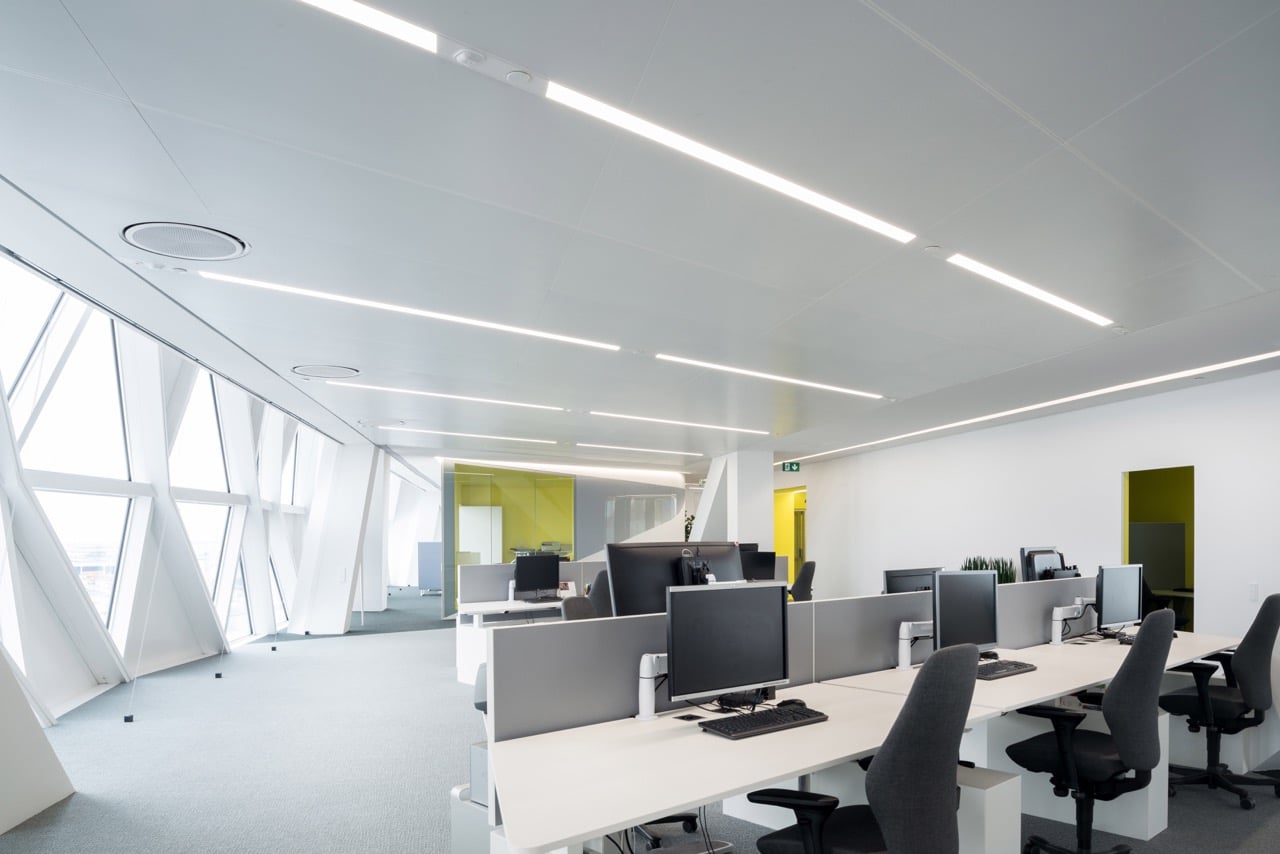
The Added Value of a Lighting Plan: Comfort and Sustainability
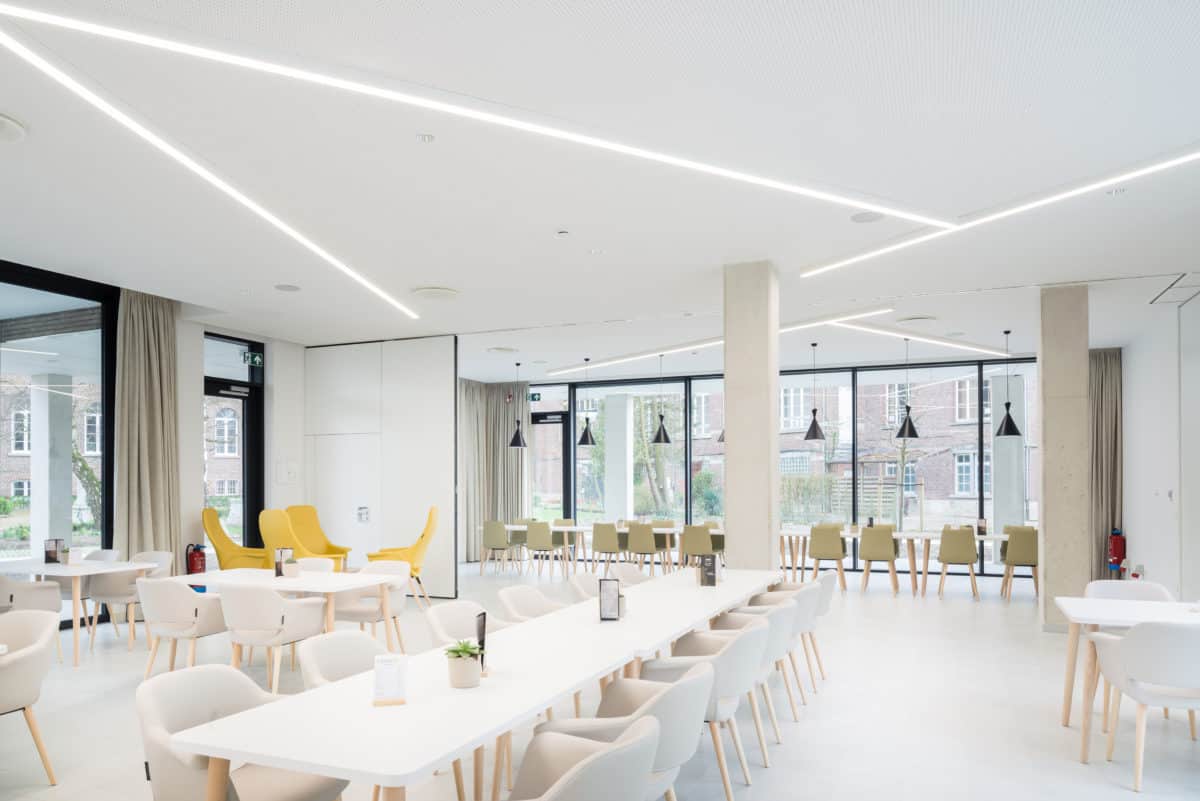
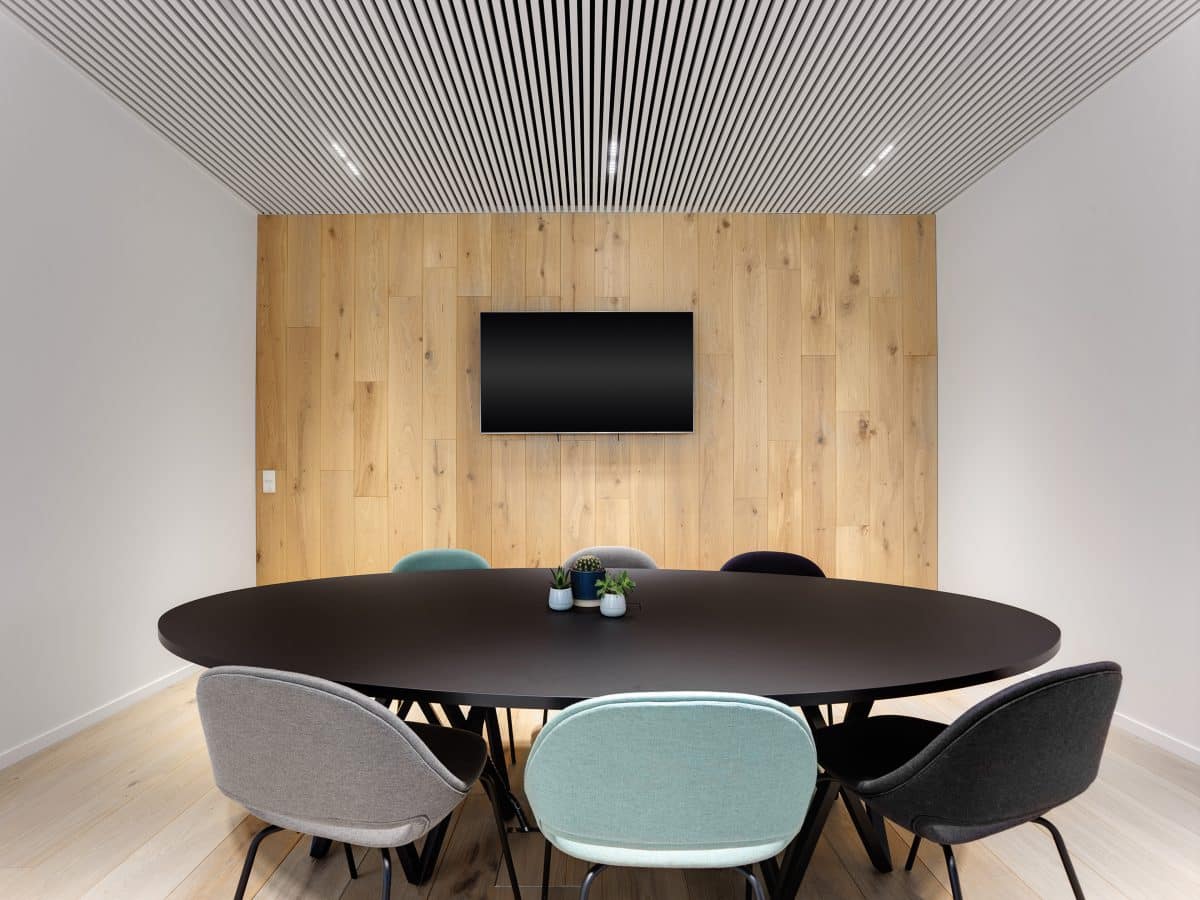
A well-designed lighting plan enhances the comfort of everyone in the building. It prevents annoying shadows or glare and creates a pleasant balance between natural and artificial light. Think of meeting rooms that require flexible lighting scenarios (like the office lighting by design firm Abetec), or care environments where lighting contributes to calm and safety (such as the lighting in residential care center Ocura).
A smart lighting plan doesn’t just consider how much light is needed, but also the quality of that light. Human Centric Lighting, which mimics natural daylight, is a great example. By adjusting light color and intensity to match the human circadian rhythm, users feel more energized and experience less stress. The result: improved well-being and fewer health complaints.
Energy Efficiency
In addition to comfort, energy efficiency plays a major role. A lighting plan helps select the right fixtures and lighting techniques to reduce energy consumption without compromising quality. Smart solutions like occupancy sensors, daylight control, and energy-efficient LED technology make it possible to save costs and reduce a building’s ecological footprint.
Moreover, a well-designed system extends the lifespan of the lighting and reduces maintenance costs. For businesses, this is an investment that quickly pays off.
Read more about saving energy with lighting
Deviating from the Lighting Plan? Here Are the Consequences
Despite its great value, we often see lighting plans come under pressure during a project. Budget considerations may lead to the choice of cheaper, alternative fixtures. While this may seem like a saving at first glance, it usually comes at the expense of the final result—especially when these alternatives haven’t been tested against the criteria set out in the lighting plan. The result: less comfort, inconsistent aesthetics, or higher energy costs. By sticking to a carefully developed lighting plan, you ensure the quality and experience originally intended.
Working with the Right Partner
Creating a strong lighting plan requires close collaboration between the client, architect, lighting consultant, and supplier. By choosing partners who not only have the technical expertise but are also willing to think along and remain flexible, the plan becomes more than a theoretical document—it becomes the key to a successful project.
Whether it’s architectural lighting, linear lighting, or custom solutions: Multiline lighting transforms your building into an environment where energy-efficient lighting and comfort go hand in hand. Contact us and discover how we can elevate your building to the next level.